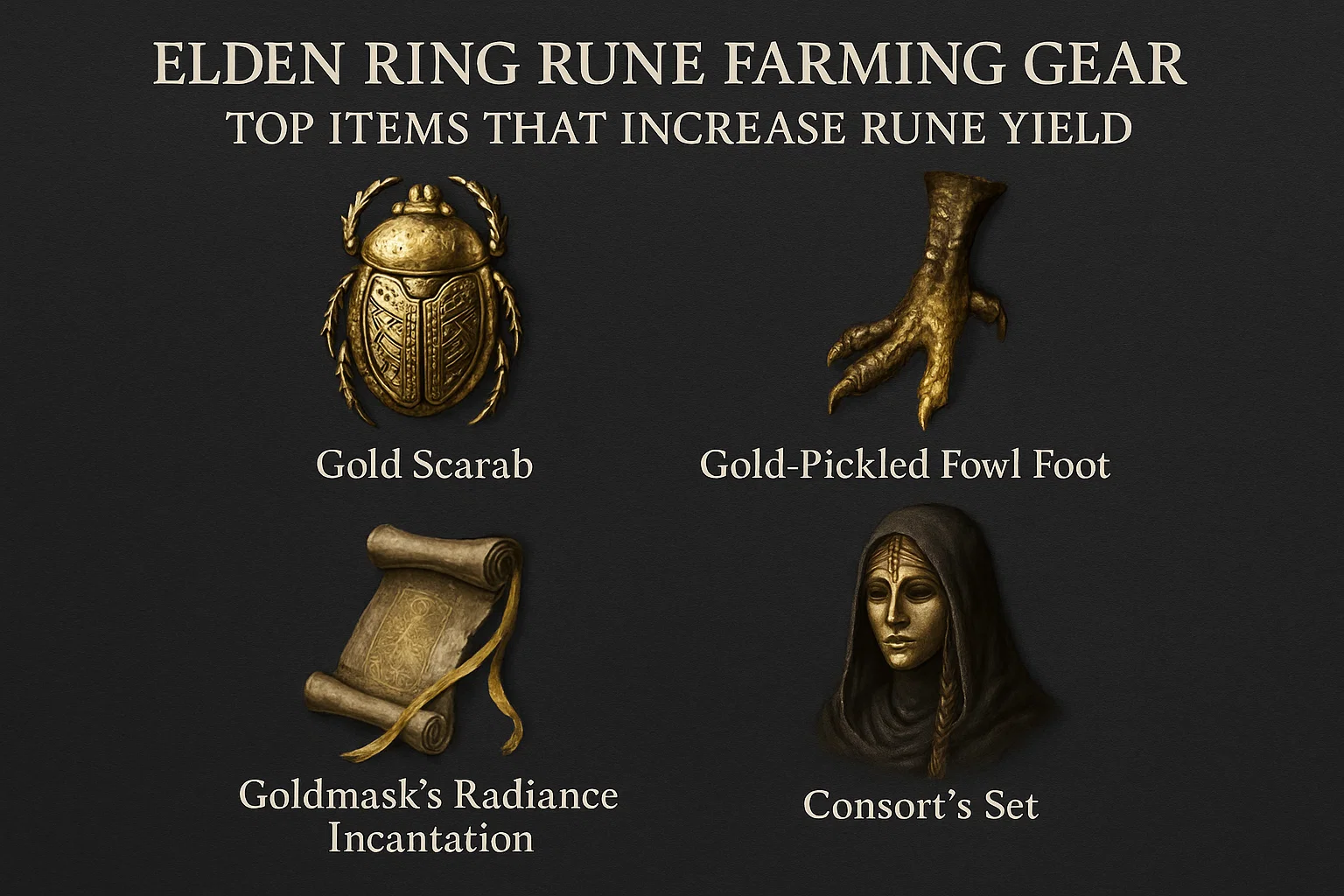
Elden Ring is much more than a game about battles, bosses, and the pursuit of power. Beneath its haunting landscapes and cryptic lore lies a rich tapestry of existential themes, conveyed through the struggles, choices, and philosophies of its characters. Players who immerse themselves in the Lands Between often find themselves questioning purpose, meaning, and identity—core elements of existential thought. From the way players collect Elden Ring Runes to define their power, to the decisions they must make that shape the world, the game continually challenges them to define meaning in a universe that often feels indifferent.
Through its non-linear storytelling and open-ended progression, Elden Ring invites players to reflect on personal agency. Rather than guiding the player with strict objectives, it provides fragments of truth and leaves the rest to interpretation. This mirrors existentialism’s core concern: that individuals are responsible for constructing meaning in an otherwise chaotic or meaningless world. Let’s explore three characters whose arcs exemplify this in thought-provoking ways.
1. Blaidd – Loyalty Without Clarity
Blaidd the Half-Wolf is a companion to Ranni, bound by a purpose he doesn’t fully understand. His loyalty drives him toward his destiny, even when it becomes clear that it leads to ruin. Blaidd’s struggle reflects the existential dilemma of living according to a purpose imposed from outside oneself. He questions little but suffers deeply, showing what can happen when one’s identity is built entirely on allegiance without introspection. His eventual fate challenges the player to consider whether blind loyalty can ever lead to genuine fulfillment.
2. Ranni – Rebellion Against Predetermined Fate
Ranni the Witch embodies resistance against divine control. Rejecting the Greater Will, she forges her own path and invites the player to join her in shaping a new order. Her defiance is existential in nature: she asserts autonomy in a world governed by cosmic powers. This act of rebellion against a deterministic universe resonates with players who seek to define their own existence. In the process, players collect power—notably through the accumulation of Elden Ring Runes—not as a means to fulfill a prophecy, but to carve a new path alongside her.
3. Gideon Ofnir – Knowledge Without Meaning
Midway through the game, players encounter various vendors and online marketplaces offering cheap elden ring runes for sale, a concept that reflects a broader theme seen in characters like Gideon Ofnir. Obsessed with knowing everything, Gideon hoards knowledge in hopes of controlling fate. However, his arc illustrates that awareness without wisdom can lead to nihilism. Despite his intellect, Gideon becomes a hollow figure, ultimately realizing that truth alone does not offer salvation. He asks the same questions existentialism does: Does understanding the universe actually bring peace, or only despair?
Elden Ring does not spoon-feed its philosophy to the player. Instead, it weaves existential themes into its worldbuilding, mechanics, and character arcs. The struggle to make sense of chaos, the burden of choice, and the pursuit of meaning amid despair are all present—powerfully conveyed through compelling storytelling and open-ended gameplay. It is this depth that has made Elden Ring more than just a game; it’s an experience that resonates deeply with anyone drawn to questions of existence and purpose.