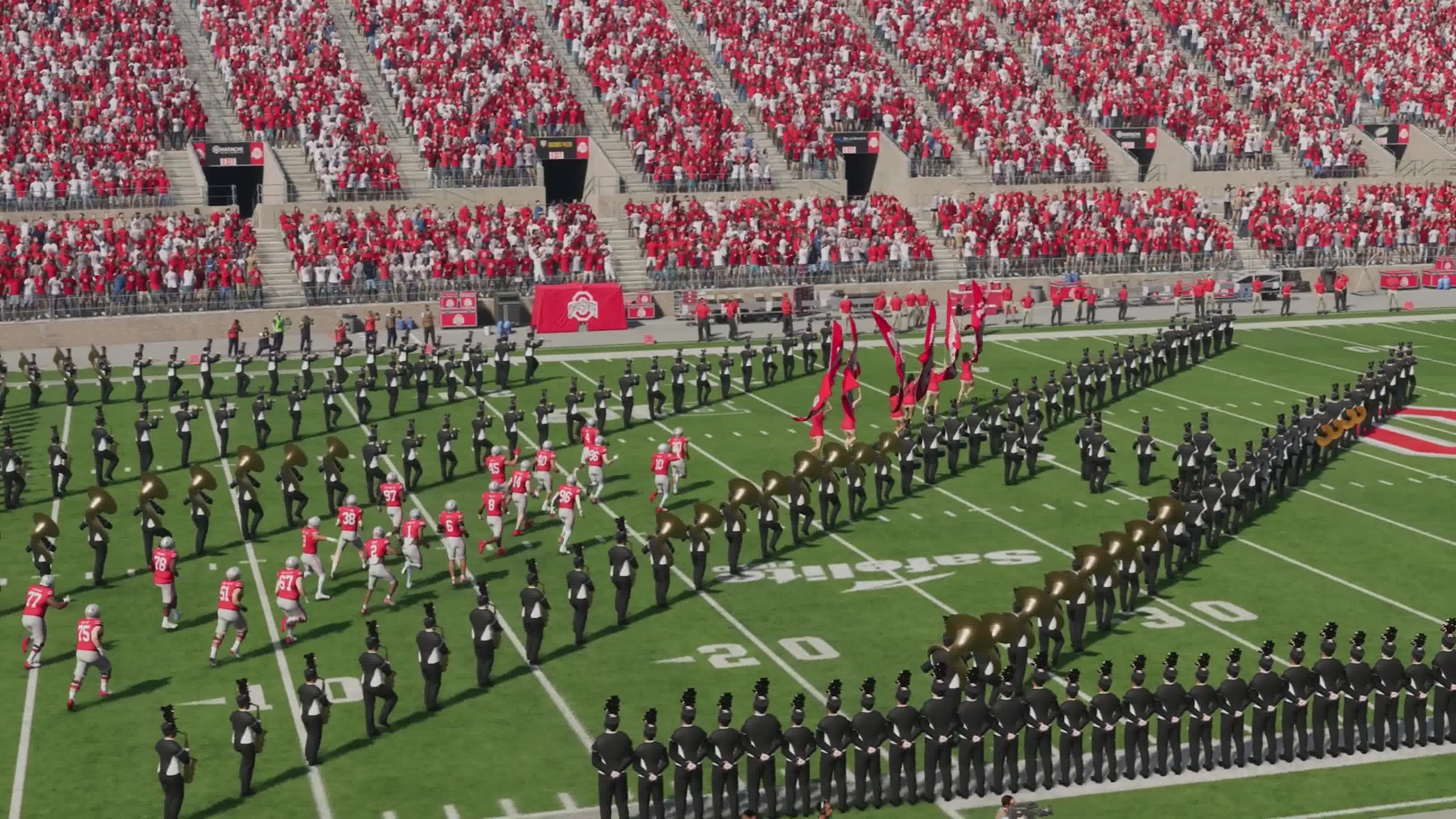
College Football 27 has quickly settled into its early-cycle economy, and players are already experimenting with different ways to build up coins efficiently without relying on heavy spending. Between pack strategies, training rerolls, and event grinding, the coin market is already showing clear patterns that reward consistency over risky gambling.
One of the most important themes emerging is simple: smart resource cycling beats random pack chasing almost every time.
Weekly 200K Coin Giveaway Strategy
A major community-driven feature in the current College Football 27 ecosystem is the creator-led giveaway system. In this case, 200,000 coins are being given away every Sunday, but participation hinges on staying connected through social platforms.
Winners are announced primarily through Twitter or similar channels, because in-game contact systems have proven unreliable for reaching participants. This creates a practical requirement for players who want to participate: staying actively engaged outside the game.
For anyone trying to build their bankroll, these giveaways represent a meaningful supplemental boost, especially early in the game’s lifecycle where every coin matters.
Avoiding High-Risk Training Traps
One of the biggest mistakes players are making right now is over-investing training into reroll packs with low expected value.
The common failure loop looks like this:
- Convert coins → training
- Spend training on high-risk rerolls
- Chase a specific player pull
- End up with mass quicksell losses
Even when the temptation is strong (especially with limited-time cards like Vince Young-type headline players), the expected value of these rerolls is often negative unless you hit extremely rare outcomes.
The key takeaway: training rerolls should be treated as entertainment, not a primary CFB 27 Coins strategy.
Recruit Bundles: High Variance, High Potential
Among all available packs, Recruit Bundles stand out as the most discussed “coin swing” option.
These packs offer:
- Multiple card slots per bundle
- High variance outcomes
- Occasional high-value pulls (80K–200K range in some cases)
- Training conversion potential through quicksell recycling
The strategy used by advanced players is not single-pack opening, but batch opening. In practice, opening 4–5 bundles in a cycle helps smooth out variance and improves the chance of hitting a profitable pull.
A typical approach looks like this:
- Open multiple Recruit Bundles in a batch
- Quick sell low-value cards
- Sell high-value pulls immediately
- Convert excess into training
- Reinvest or stabilize coin stack
The key is volume, not luck per pack.
Building Coins Through Overtime Mode
One of the most consistent low-risk methods is grinding competitive or overtime-style modes.
Players report earning roughly:
- 50,000–75,000 coins per hour (depending on performance)
The reason this method works is simple:
- Reward structure is consistent
- No pack RNG involved
- Skill-based progression
- Predictable time-to-coin conversion
Compared to packs, this method has a significantly higher long-term return on investment for no-money-spent (NMS) players.
If your goal is steady progression rather than gambling spikes, this becomes the foundation of your economy.
Challenges: The Most Underrated Coin Source
Despite all the focus on packs and market flipping, challenges remain the most reliable coin engine in College Football 27.
Key benefits include:
- Guaranteed rewards (packs + coins)
- Level progression bonuses
- No risk of loss
- Consistent updates with new content drops
For example, completing current alumni-themed challenges can reward:
- 80+ player packs
- Direct coin packs
- Progression XP toward seasonal milestones
Even though individual rewards may not seem massive, stacking them across a season creates a stable baseline economy.
Smart Pack Strategy vs. Bad Pack Habits
The biggest separation between profitable and unprofitable players comes down to discipline.
Good habits:
- Selling cards immediately at peak value
- Using packs only during planned cycles
- Combining pack opening with grinding income sources
- Tracking market prices before quickselling
Bad habits:
- Dumping all coins into rerolls
- Chasing single players at any cost
- Opening packs individually without volume strategy
- Ignoring challenge rewards
The difference compounds quickly over time, especially early in the game cycle.
Using CFB 27 Coins Efficiently
In the current meta, resources like NCAA 27 Coins should be treated as a balancing tool, not something to gamble aggressively. Efficient players are focusing on:
- Stable grinding methods (overtime, challenges)
- Controlled pack exposure (bundled openings only)
- Market awareness (selling at demand peaks)
- Avoiding emotional reroll decisions
This approach consistently outperforms pure pack chasing over longer sessions.
Final Outlook
College Football 27’s economy is still early and volatile, which means opportunity exists—but so does risk. The players who succeed are not necessarily the luckiest, but the most consistent in how they convert time and resources into coins.
Between structured grinding, disciplined pack usage, and event participation, building a strong team without overspending is completely viable right now.The key is simple: treat packs as supplements, not foundations, and let gameplay modes do the heavy lifting.
